Custom website development · Astro and Next.js
Custom website development, hand-coded and yours to keep
Sites built in code, not on a template, for businesses that have outgrown page builders. They load fast, Google and AI tools can read them, your team edits them in a CMS, and the code is yours.









What “custom” means here
Many “custom” websites are a theme on WordPress. Ours are written in code.
Custom website development, the way we do it, means every page is built in code for your business: no page builder, no theme, no plugin stack.
- Fast by default. Pages arrive as finished HTML, with no JavaScript unless a feature needs it. In November 2026 this site scored 98 for mobile performance in Google’s PageSpeed Insights, with the main content in 1.1 seconds.
- Still easy to edit. Your team updates text, images, pages and posts in a CMS.
- Yours to keep. The code is yours, and you have admin access to the hosting we run for you.
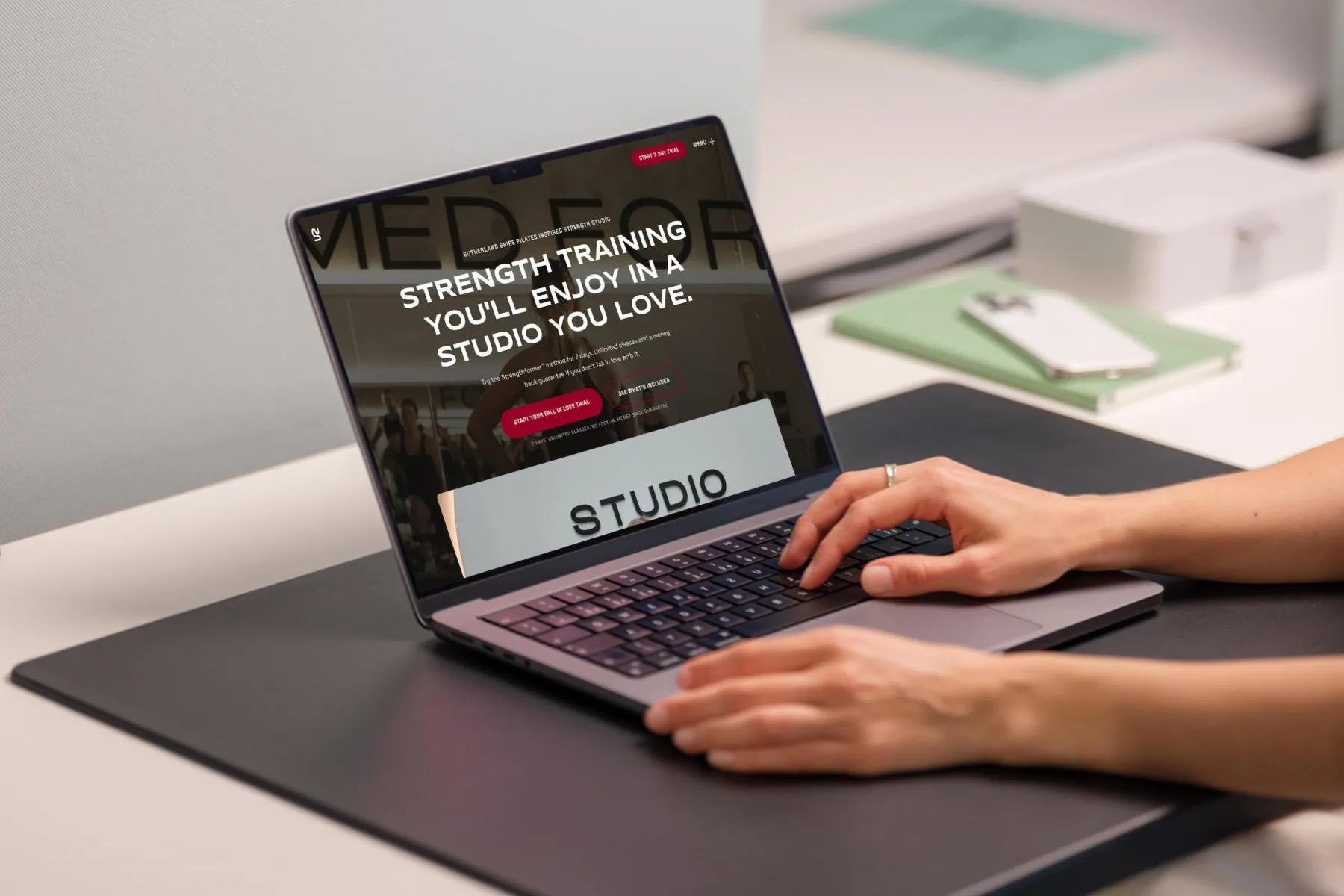
Case study · Boutique Fitness Studio (women's strength training)
Studio Montel
How Webhaus custom-coded an Astro website for Studio Montel, a women's strength-training studio in Miranda, built to feel boutique and grow organically.
Not every business needs a custom website. Here’s when it earns its keep.
A platform is enough when the site is a brochure a small team edits now and then, with standard pages and forms.
Custom code is the better call when the site is a sales channel or the thing the business runs on, has to be fast on every phone, needs logins or data, or has outgrown its platform.
If a platform would do the job, we’ll tell you on the first call.
Our work
Recent website builds
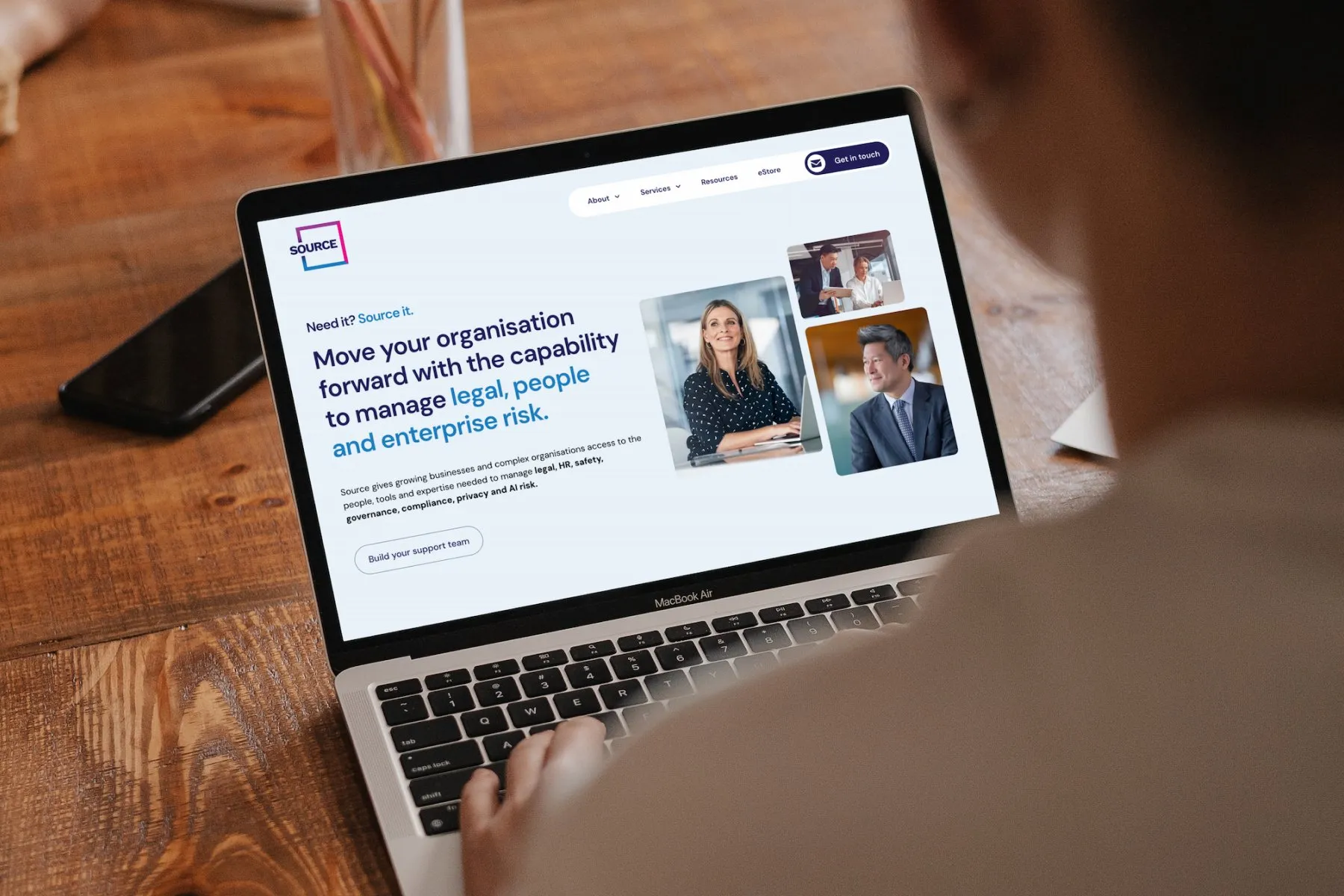
Legal & Risk Services
Source
No rebuild needed. New positioning and rewritten key pages turned the existing WordPress site for Source into one that converts 79% more of its visitors.
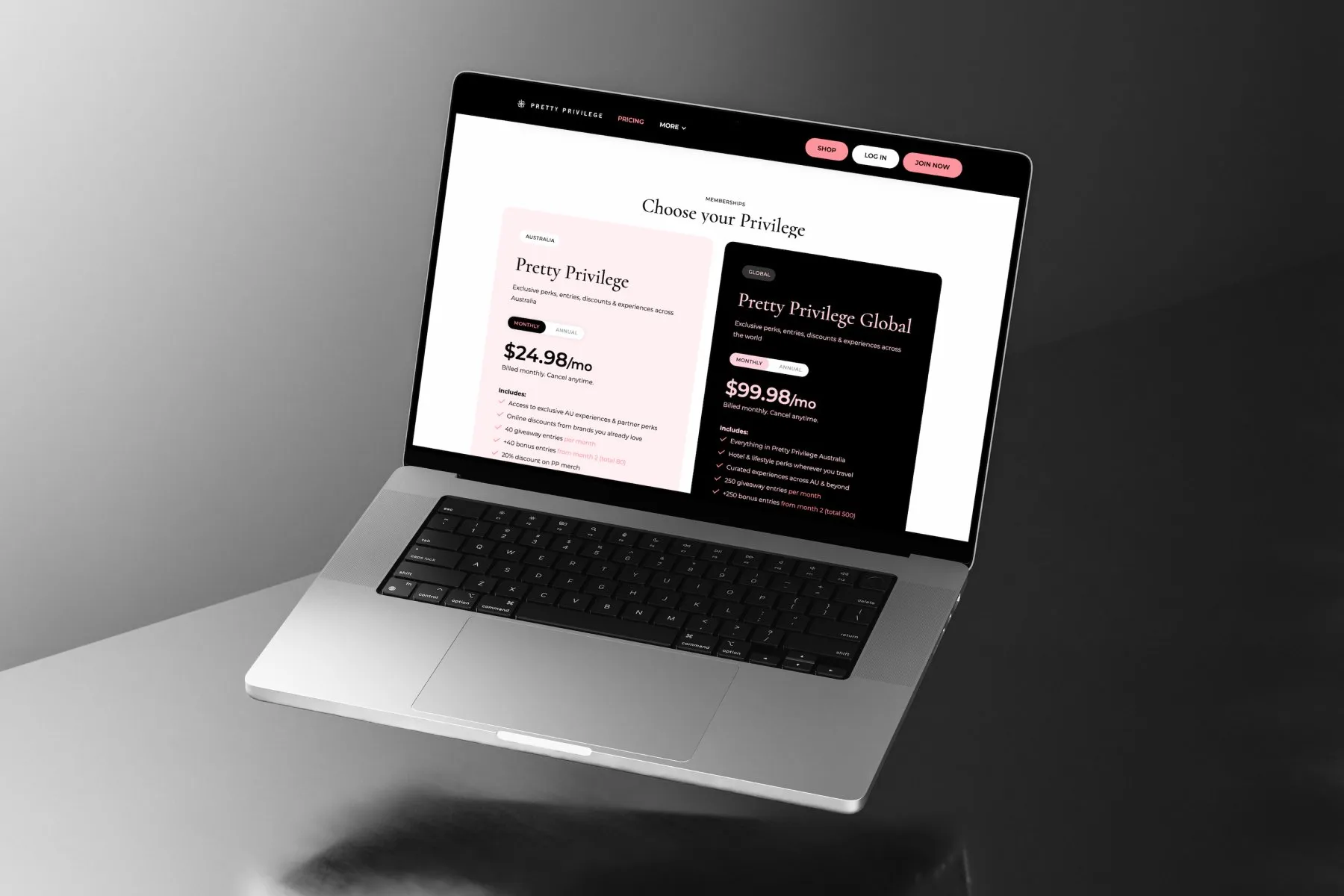
Membership / Rewards Community
Pretty Privilege
Landing pages, sign-up flows and fixed automations behind the paid social campaigns turned Pretty Privilege's ad traffic into 772% more conversions.
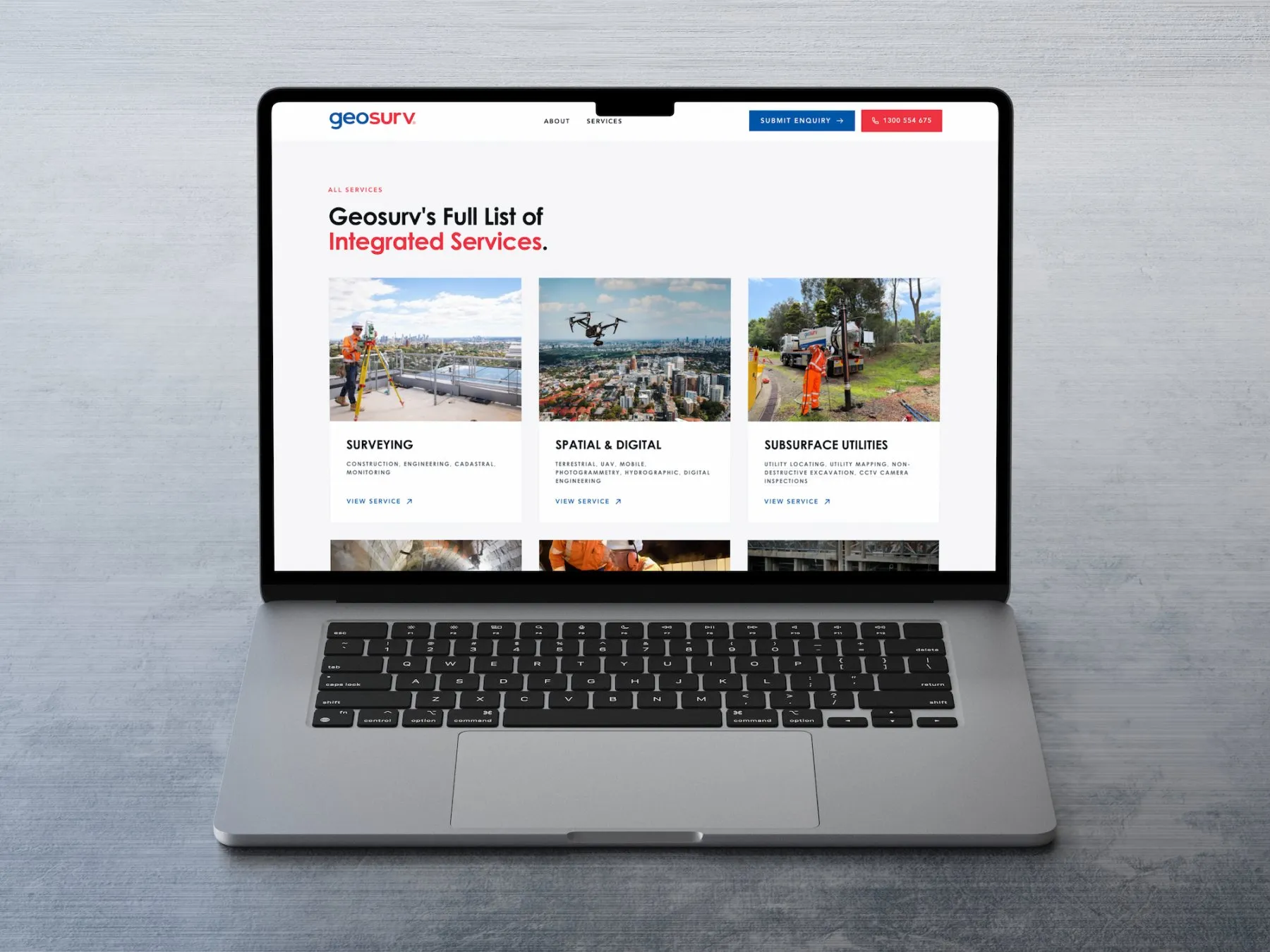
Land Surveying / Geospatial
GeoSurv
Dedicated service landing pages gave GeoSurv, a Sydney surveying firm, 4x the form submission rate and a 43% lower cost per enquiry, without a rebuild.
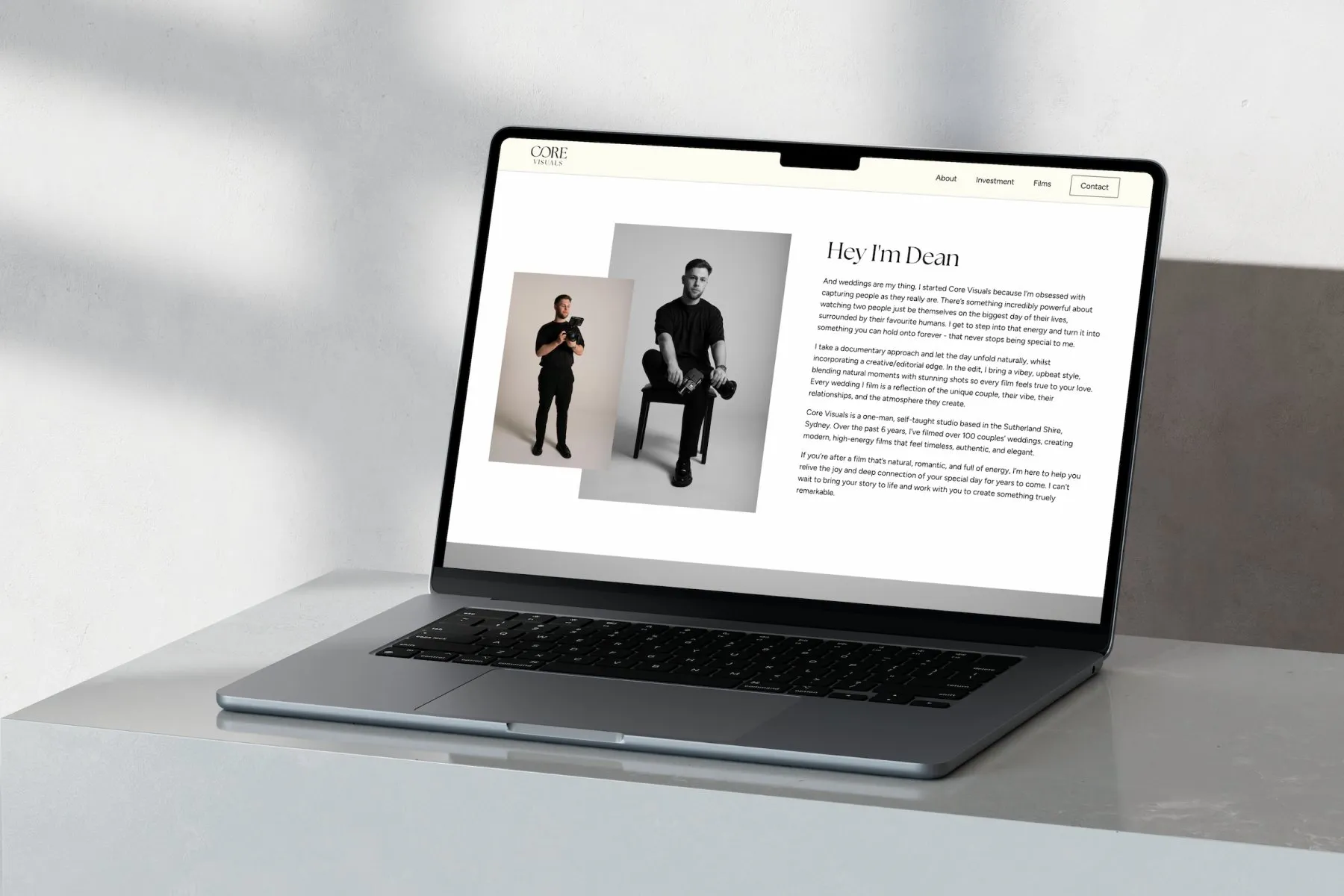
Wedding Videography
Core Visuals 2.0
How Webhaus moved Sydney wedding videographer Core Visuals off a template and onto a bespoke Webflow site with an editorial layout that suits the films.
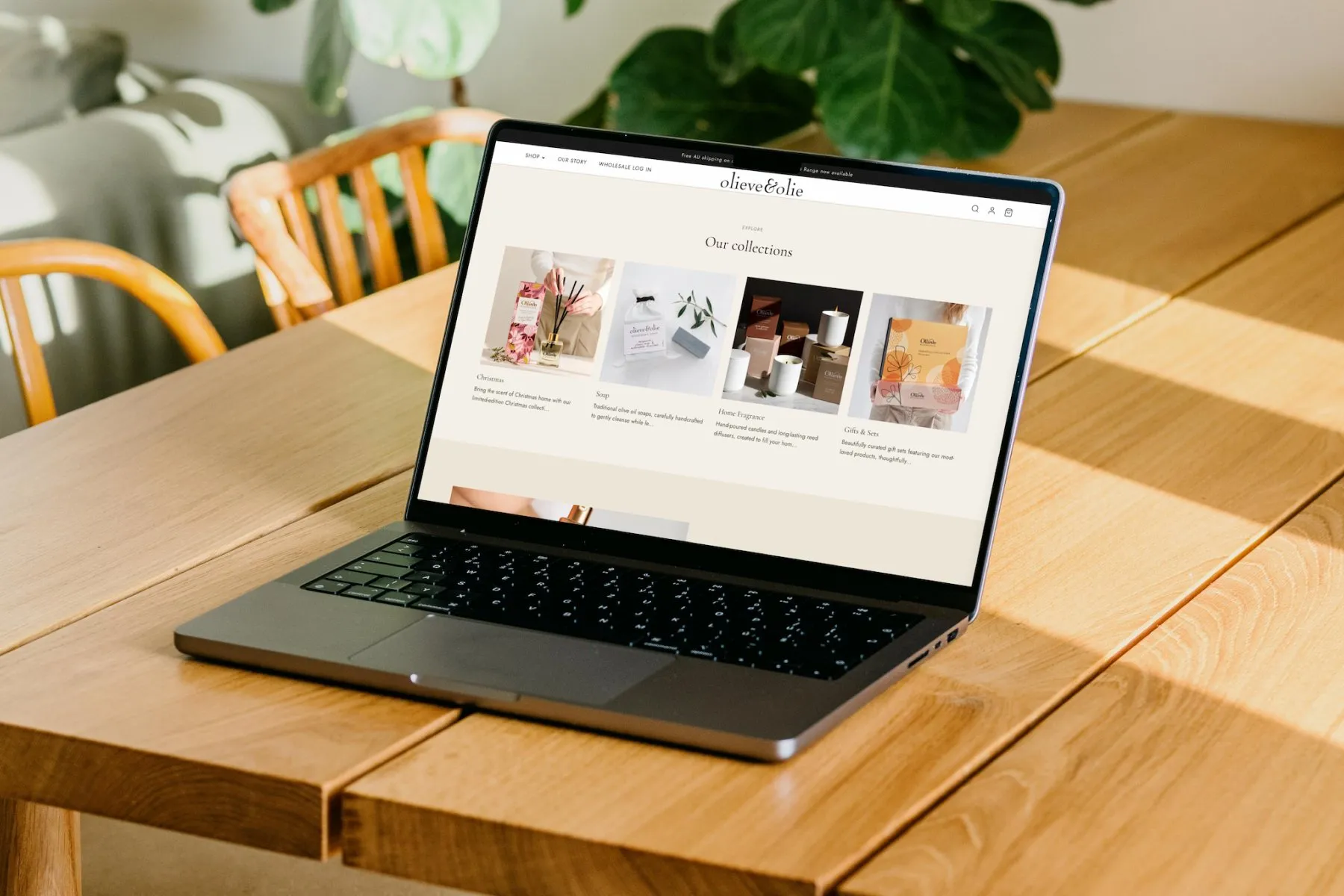
Natural Skincare (E-commerce)
Olieve & Olie
How Webhaus moved Olieve & Olie, a Mornington Peninsula natural skincare brand, from a DIY Squarespace site to a Shopify store built to sell online.
DJ / Event Entertainment
Platinum DJ Services
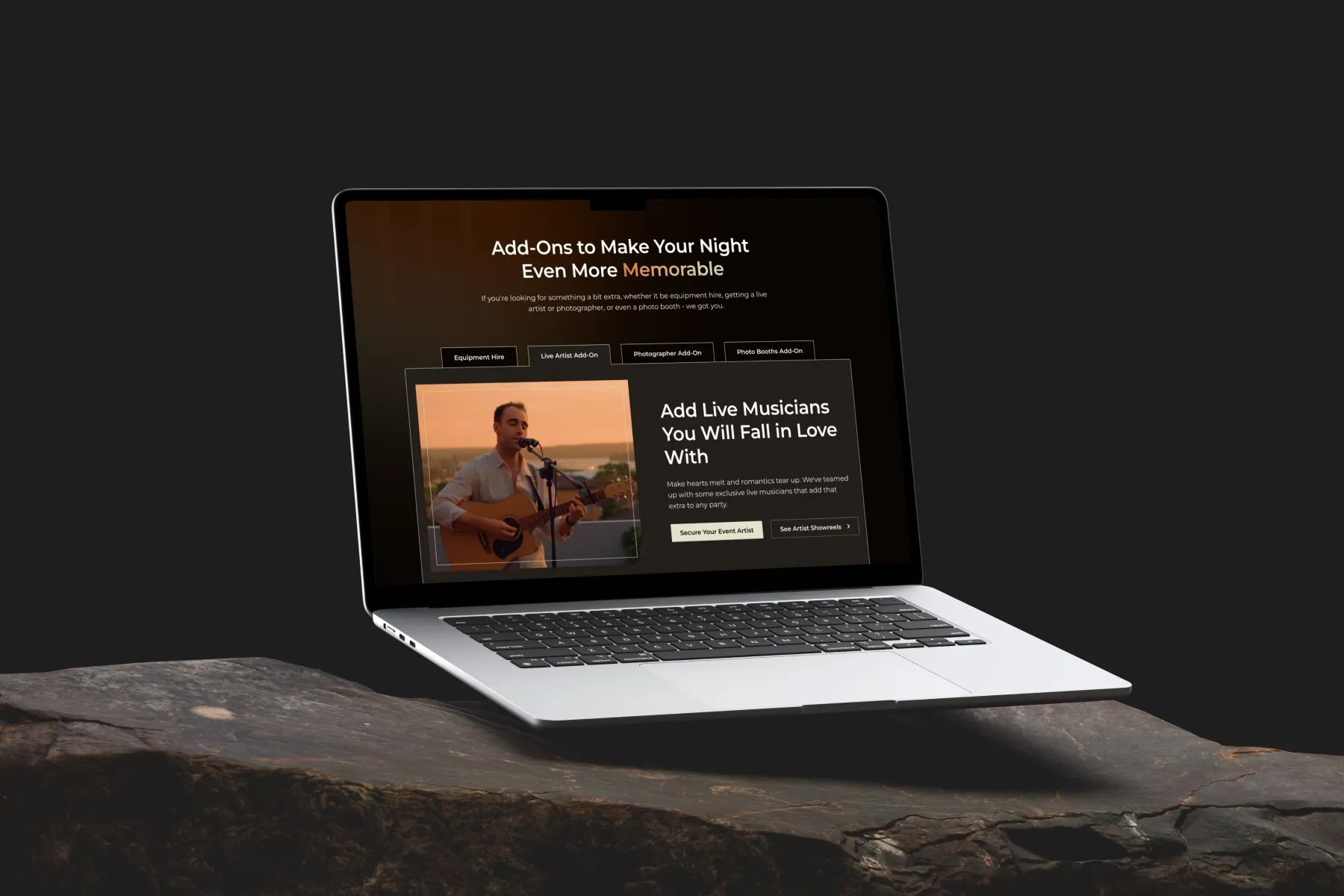
How Webhaus rebranded Platinum DJ Services and built a Webflow site that helps the Sydney DJ business win more premium wedding and corporate events.
What we build
One stack, chosen for speed, editing and ownership
Agencies that list a dozen frameworks haven’t chosen. We have. Scope and price are agreed in writing first, and you review every stage on a staging link.
Websites, in Astro
Pages pre-rendered as static HTML and served from a global network, built to Google’s Core Web Vitals. This website runs on it.
Web apps, in Next.js
Accounts, data and pages that change per visitor, rendered on the server so content arrives as HTML. The JMC Motorcycles workshop system runs on it.
A CMS your team edits
Text, images, pages and posts edited in Sanity, the way you would in WordPress or Webflow. The code only changes when the design does.
Launch, hosting and handover
Speed, redirects, forms and rendered HTML checked before launch, then the repository handed to you and your admin access to the hosting set up.
Straight answers
What most custom website agencies don’t tell you
- “Custom” often means a theme. Ask whether the site is hand-coded or a custom theme on WordPress, Shopify or Webflow.
- You should own the code. Ask for the repository in your name and admin access to the hosting, not just a login.
- AI tools may not see your site. In a December 2024 study, Vercel found none of the major AI crawlers, including ChatGPT’s and Claude’s, rendered JavaScript. Content has to be in the HTML.
- The running cost is a hosting plan. Vercel, Sanity and Supabase publish their prices, and we list them before you sign.
Good to know
Questions about custom website development
What is custom website development?
Custom website development means building a site in code for one business, rather than starting from a theme or a page builder. Many agencies use the term for a custom theme on WordPress, Shopify or Webflow. We use it for sites written in Astro or Next.js, with a CMS your team edits and the code in a repository you own.
How long does a custom website take?
Most of our website projects take 6–8 weeks from strategy to launch. Web apps with accounts and data take longer, and the dates depend on content and access coming back on time. We set them in the scope before we start.
Do I really need a custom website, or is a template or builder enough?
It depends on what the site has to do. A builder suits a brochure site a small team edits now and then. A custom build earns its keep when the site is a sales channel, needs logins, data or pages that change per visitor, or is leaving a platform that’s holding it back. Platform sites can be fast too, so speed alone isn’t the reason. Our first call starts by working out which you are.
Will every small text change need a developer?
No. Every custom site we build has a CMS, usually Sanity, where your team edits text, images, pages and posts the way they would in WordPress or Webflow. The code only changes when the design or the features do. That’s the part of the standard advice about custom sites that’s out of date.
Will Google and AI tools be able to read a site built with Astro or Next.js?
Yes, if the content is in the HTML the server sends, which is how we build. Google renders JavaScript in a queue that can take seconds or longer, and says server-side or pre-rendering is “still a great idea” because “not all bots can run JavaScript”. Astro pre-renders pages as static HTML by default and Next.js renders Server Components on the server. After launch we check the rendered HTML in Google’s URL Inspection tool.
Who owns the code and the hosting account?
You own the work. The code lives in a GitHub repository, and GitHub transfers a repository with its full commit history, issues and pull requests, with old links redirected. A Vercel project transfers to your own team with its domains, environment variables and deployments, with zero downtime, and the move can take ten seconds to ten minutes. We host the site and look after it, and you have admin access from launch. If you ever leave, we transfer the project to you.
What does a custom site cost to run after launch?
Third-party costs, from the vendors’ own price lists. Vercel Pro is US$20 a month per developer seat. The free Hobby plan is for personal, non-commercial use, so a client site goes on Pro. Sanity’s free tier covers up to 20 users, 10,000 documents and 100 GB of bandwidth a month. For an application on Supabase, the free tier pauses after a week of inactivity, so a live app sits on Pro from US$25 a month. Maintenance and SEO are separate decisions after launch.
More development services
Not sure which one you need? Start with the problem.
Tell us what’s not working and we’ll point you at the right one. Same team on every page, whatever the platform.
Start your project
Tell us what the site has to do
Brochure, sales channel, or the thing the business runs on. Tell us what you have today and what’s not working, and we’ll come back with platform or custom, and a scoped price.
- A real person replies within 1–2 business days
- A scoped proposal, with no hidden fees and no surprise variations
- No obligation
Got it. We’ll take it from here.
Thanks for giving us the lay of the land.
We’ll have a look at what you’ve sent through and come back to you with the best next step.
Rather not wait? Grab a time that suits you.
That did not send. Please try again.